Judas, Remorse, and the Field of Blood!
There are many so-called “contradictions” in the Bible. From the reported ages of certain kings to the two complementary accounts of creation in Genesis, skeptics love to point out apparent inconsistencies. This week, I found myself falling deeper and deeper into the rabbit hole of supposed biblical contradictions. Yet in the midst of that search, I stumbled upon one that many claim is a glaring inconsistency—only to discover it is not a contradiction at all. In fact, it beautifully confirms the reliability and harmony of Scripture.
That trail led me straight to Judas Iscariot, one of the original Twelve Apostles. Judas was a man from Kerioth in Judea, likely the only non-Galilean among the disciples. He was chosen by Jesus, given authority to preach, heal the sick, and cast out demons alongside the others. For three years he walked with the Lord, witnessed countless miracles, listened to profound teaching, and even managed the group’s money. Outwardly, he looked like a devoted follower. Inwardly, however, his heart was far from surrendered.
After his betrayal, the Bible does not hold back in describing him. He is repeatedly called “the betrayer.” Jesus Himself referred to him as “a devil” (John 6:70). He is labeled the “son of perdition” (John 17:12), a “traitor” (Luke 6:16), and the one who “lifted up his heel” against his closest friend (Psalm 41:9, fulfilled in John 13:18). For two thousand years, Judas has been remembered as the deceiver, the snake in the grass, and the ultimate example of hypocrisy—a man who walked with Jesus, witnessed miracles, and still sold Him for thirty pieces of silver.
What makes Judas’s story so profound is how God sovereignly used even this evil act to accomplish His redemptive plan. We often think we are acting on our own agenda, yet the Lord can direct our choices—whether for good or ill—to fulfill His purposes. My God is truly miraculous. He works all things according to the counsel of His will, even when we imagine we are operating independently. God can and will use even the evil in our hearts to bring about good. This upholds the tension between divine sovereignty and human responsibility: God’s sovereign purposes do not cancel moral guilt. The cross was not an accident; it was the predetermined means of salvation. But Judas’s betrayal was still a wicked, freely chosen act. Judas was physically beside Jesus throughout the ministry, but he was never truly with Him in heart. One detail that often goes unnoticed is that Judas never once called Jesus “Lord” in the Scriptures. He only ever addressed Him as “Rabbi,” which means “Teacher.”
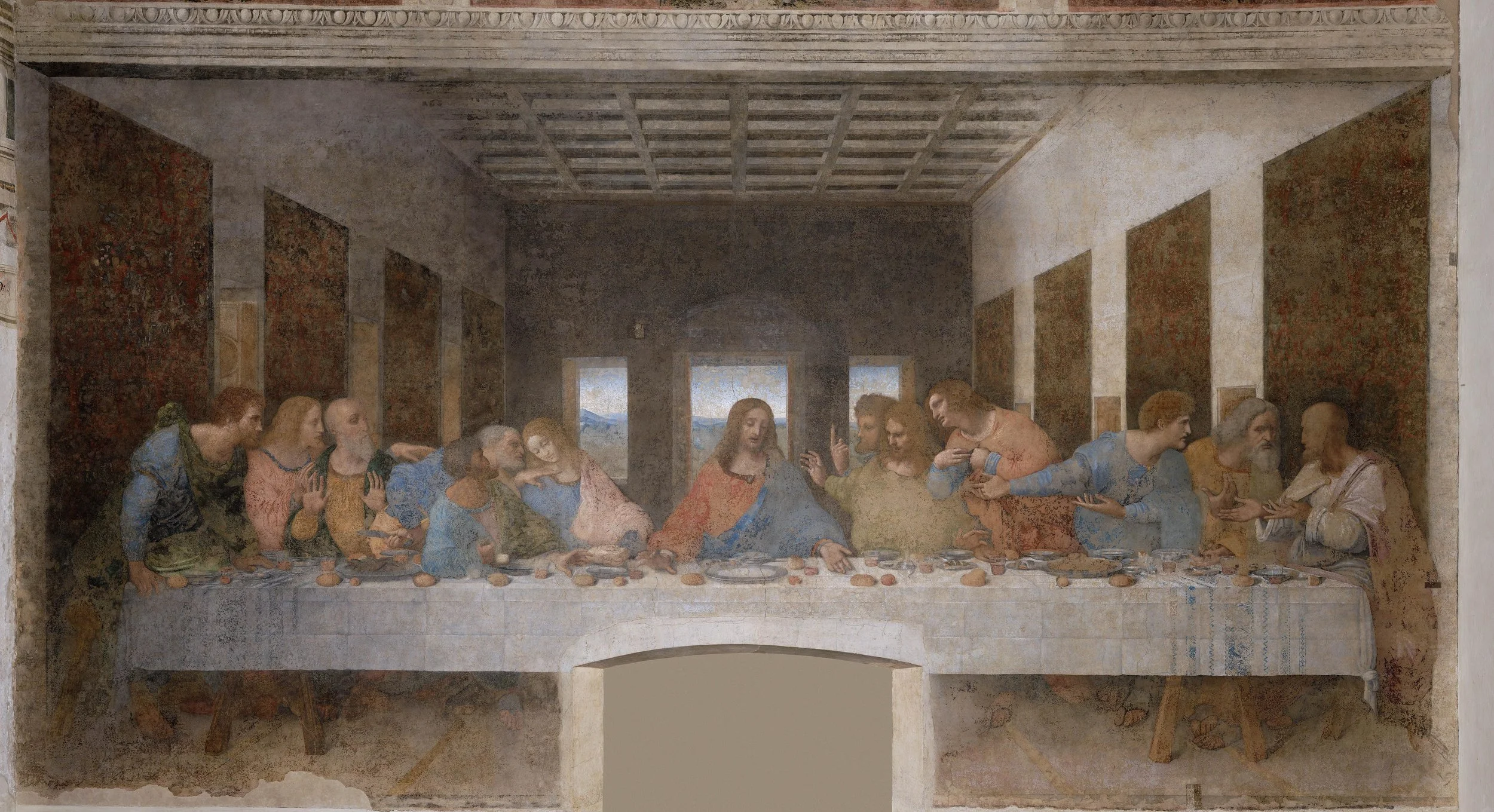
When Jesus announced at the Last Supper that one of them would betray Him, the other disciples responded with deep sorrow, each asking, “Is it I, Lord?” (Matthew 26:22). Judas, however, said something different: “Is it I, Rabbi?” (Matthew 26:25). The distinction is small but revealing. It shows the true condition of his heart.
Moments later, Jesus identified the betrayer by handing him a piece of dipped bread. As soon as Judas took it, Scripture tells us that Satan entered into him (John 13:27). Jesus then looked at him—knowing exactly what had just happened—and said, “What you are about to do, do quickly.” This command was not Jesus giving in to evil; it was a declaration of sovereign control. Judas had already opened the door to Satan through his own greed and unbelief. Yet even here, the devil needed permission to act. Jesus was in complete control from the very beginning.
Jesus had already warned the disciples that He would soon be going away. After the brief exchange with Judas, the betrayer left the upper room and stepped into the night. He sold Jesus out to the chief priests for thirty pieces of silver. When he later saw that Jesus had been condemned, Judas was seized with remorse. He threw the money back at the feet of the religious leaders. Then, in despair, he went out and hanged himself (Matthew 27:3-5).
This is where the supposed contradiction arises. The Gospel of Matthew records that Judas hanged himself. However, the Book of Acts says that “falling headlong, he burst open in the middle and all his intestines gushed out” (Acts 1:18), and the place became known as the Field of Blood. Skeptics quickly pounce on this, claiming the Bible contradicts itself and therefore cannot be trusted. “See!” they declare. “Your book is faulty. God is not real.” But a careful reading, combined with an understanding of natural processes, removes any real conflict. Judas likely hanged himself either the night of the betrayal or early the next morning. His body remained hanging for a period of time—possibly several days—while Jesus was arrested, tried, crucified, and buried.
During those days, the natural process of decomposition began. In the warm Jerusalem climate, a dead body rapidly produces gases that build up in the abdomen. Forensic science confirms that after a few days, internal pressure can cause the skin and tissues to split. By the third day, the body can literally rupture if disturbed.
Meanwhile, Scripture records that Jesus was in the tomb for three days. The chief priests, fearing the disciples might steal the body and claim resurrection, had a stone rolled across the entrance and guards posted. Then, early on the third day, a violent earthquake shook the ground. An angel descended, rolled the stone away, and the guards fell as if dead. When the women arrived, they found the tomb empty. Jesus had risen from the dead, just as He promised—conquering sin and death for all who would believe. PRAISE GOD.
Can you imagine being the one who betrayed Jesus, knowing full well it was the Messiah? The weight of that realization must have been crushing. To have walked with the Messiah, shared meals with Him, witnessed His compassion and power, and then deliberately hand Him over for a handful of silver—only to watch the consequences unfold—is almost unimaginable.
Here is the simple, common-sense harmony of the two accounts: Judas hanged himself. His body hung long enough for decomposition gases to build up. When the earthquake struck—precisely at the moment of the resurrection events—his body fell from the tree or branch, hit the rocky ground with force, and burst open. The field where this happened became known as Akeldama, the Field of Blood.
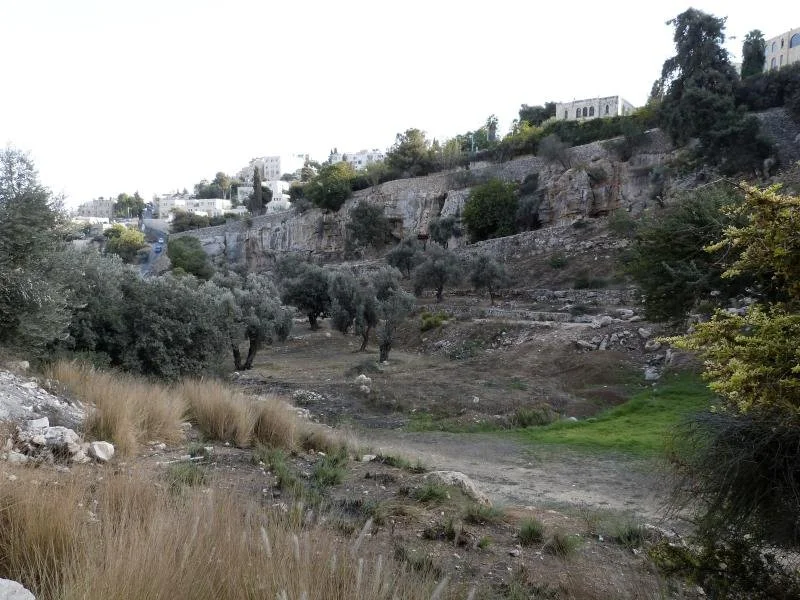
This is where Judas would hang himself, and his intestines would come undone.
This explanation does not require anyone to “tell a fib.” It aligns perfectly with both passages and with what we know about biology and seismic activity. Far from contradicting Scripture, the two accounts together confirm the truthfulness of the Bible. They show us a real man who made real choices, whose body experienced real physical consequences, all within the sovereign timing of God’s redemptive plan.
Judas’s remorse reveals something deeply important: regret alone cannot save. The Greek word for his emotional state means “to regret” or “to feel remorse.” It describes a deep emotional pain over consequences, but it does not necessarily include a turning of the heart toward God. True biblical repentance means a change of mind and direction—a genuine turning from sin to God, accompanied by faith and a desire for restoration. Judas confessed his sin and tried to undo the damage, yet he did not cast himself on God’s mercy. Instead of running to the cross, he despaired and took his own life.
Judas’s story stands as both a warning and a wonder. It warns us against following Jesus with our lips while our hearts remain far from Him. It also reveals the majesty of a God who can take the worst betrayal in human history and use it to purchase the salvation of the world through the death and resurrection of His Son.
In the end, the Bible does not hide the ugly details. It presents them honestly, and when examined closely, they fit together without contradiction. What some call errors are often simply opportunities to dig deeper and see the remarkable consistency of God’s Word.
My journey through supposed contradictions this week did not weaken my faith. It strengthened it. Because even in the darkest act of betrayal, God was still on the throne—working all things for the good of those who love Him and for the glory of His risen Son.